
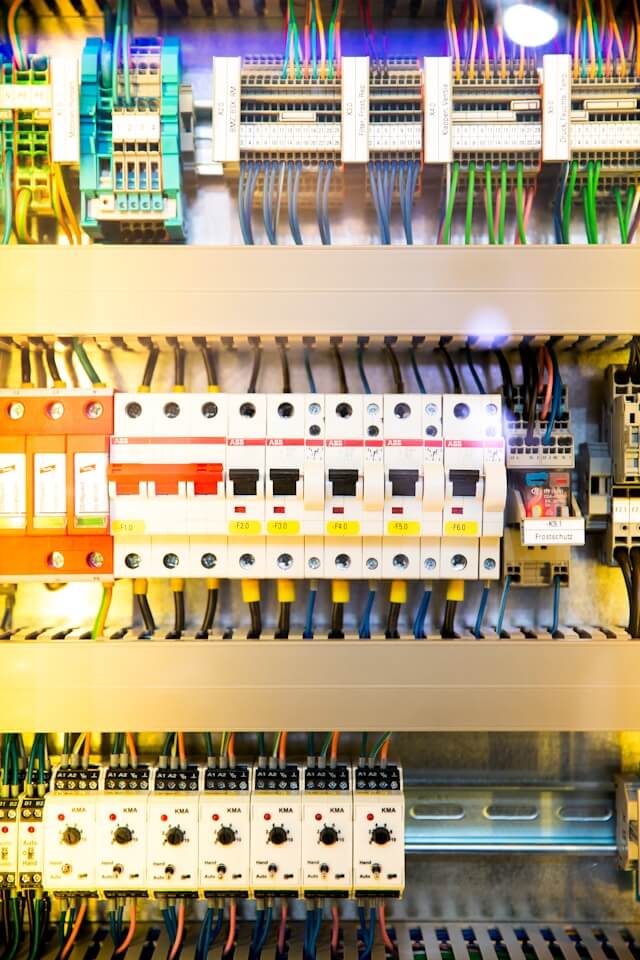
Deskripsi Pelatihan
Training Pengenalan AC dan HVAC. HVAC is an acronym that stands for “heating, ventilation, and air conditioning”. HVAC is sometimes referred to as climate control and is particularly important in the design of medium to large industrial and office buildings such as skyscrapers and in marine environments such as aquariums, where humidity and temperature must all be closely regulated whilst maintaining safe and healthy conditions within.
In certain regions the term “Building Services” is also used, but may also include plumbing and electrical systems. Refrigeration is sometimes added to the field’s abbreviation as HVAC&R or HVACR, or ventilation is dropped as HACR.
Heating, ventilation, and air conditioning is based on the principles of thermodynamics, fluid mechanics, and heat transfer. The invention of the components of HVAC systems went hand-in-hand with the industrial revolution, and new methods of modernization, higher efficiency, and system control are constantly introduced by companies and inventors all over the world.
The three functions of heating, ventilating, and air-conditioning are closely interrelated. All seek to provide thermal comfort, acceptable indoor air quality, and reasonable installation, operation, and maintenance costs. HVAC systems can provide ventilation, reduce air infiltration, and maintain pressure relationships between spaces. How air is delivered to, and removed from spaces is known as room air distribution.
In modern buildings the design, installation, and control systems of these functions are integrated into one or more HVAC systems. For very small buildings, contractors normally “size” and select HVAC systems and equipment. For larger buildings where required by law, “building services” designers and engineers, such as mechanical, architectural, or building services engineers analyze, design, and specify the HVAC systems, and specialty mechanical contractors build and commission them. In all buildings, building permits and code-compliance inspections of the installations are the norm.
Tujuan Pelatihan
At the end of the program, participants will be able to:
- Develop a working knowledge of HVAC Systems;
- Differentiate between the different types of HVAC Systems;
- Implement strategies and methodologies to create an effective HVAC maintenance program;
- Improve performance by developing detailed HVAC specifications;
- Establish an effective HVAC maintenance team.
Materi Training Pengenalan AC dan HVAC
1. Introduction
Radiation
Conduction
Convection
The Refrigeration Cycle
2. Equipment
Chillers
Air handling Units
Evaporators
Condensers
Cooling Towers
Fans
Fan Coil Units
3. Ducting
Construction
Types
System Components
Cleaning
4. Energy Efficiency
Thermostats
Zone Valves
Zone Dampers
Energy Conversion
Examples of Energy Efficiency Systems
5. Types of Air-Conditioning Systems
Vapour Compression
Gas Absorption
VENTILATION
1. Types of Ventilation Systems
1) Natural Ventilation
Process
Design
2) Forced Ventilation
Types of fans
Fan Motor
2. Indoor Air Quality
Air Quality Index
Air Pollution Index
Indoor Air Hazards
HEATING
Water Heating
Storage Heater
Radiant Heating
Central Heating
Jadwal Pelatihan 2025
| Batch | Tanggal | Tanggal | Tanggal |
|---|---|---|---|
| Batch 1 | 2 – 3 Januari | 16 – 17 Januari | 30 -31 Januari |
| Batch 2 | 1 – 2 Februari | 15 – 16 Februari | 28 - 29 Februari |
| Batch 3 | 5 – 6 Maret | 14 – 15 Maret | 27 - 28 Maret |
| Batch 4 | 3 – 4 April | 18 – 19 April | 29 - 30 April |
| Batch 5 | 2 – 3 Mei | 15 – 16 Mei | 29 – 30 Mei |
| Batch 6 | 4 – 5 Juni | 13 – 14 Juni | 26 – 27 Juni |
| Batch 7 | 3 – 4 Juli | 17 – 18 Juli | 30 – 31 Juli |
| Batch 8 | 1 – 2 Agustus | 14 – 15 Agustus | 28 – 29 Agustus |
| Batch 9 | 4 – 5 September | 17 – 18 September | 26 – 27 September |
| Batch 10 | 2 – 3 Oktober | 16 – 17 Oktober | 28 – 30 Oktober |
| Batch 11 | 5 – 6 November | 14 – 15 November | 27 – 28 November |
| Batch 12 | 3 – 4 Desember | 11 – 12 Desember | 19 – 20 Desember |
Silakan hubungi tim marketing kami untuk info lebih lanjut.
Lokasi dan Investasi
Pelaksanaan pelatihan oleh SITI Training dapat dilakukan secara fleksibel, baik offline maupun online, sesuai dengan kebutuhan dan preferensi peserta. Untuk pelatihan offline, kami menyediakan lokasi di berbagai kota besar di Indonesia:

Jakarta
5.500.000 IDR / peserta *

Yogyakarta
5.500.000 IDR / peserta *

Bali
5.500.000 IDR / peserta *
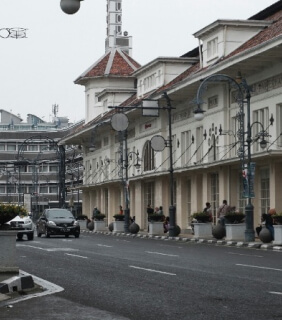
Bandung
5.500.000 IDR / peserta *
* Syarat dan ketentuan berlaku:
Investasi untuk pelatihan disesuaikan dengan jumlah peserta.
Silakan hubungi tim marketing kami untuk info lebih lanjut.
Training Online dan In-House
Bagi peserta yang lebih memilih pelatihan secara online, kami memfasilitasinya melalui aplikasi Zoom, memastikan pengalaman belajar yang interaktif dan efektif. Selain itu, kami juga melayani in-house training, di mana pelatihan dapat diselenggarakan langsung di lokasi perusahaan Anda, memberikan kenyamanan dan kemudahan bagi karyawan untuk meningkatkan keterampilan dan kompetensi mereka tanpa harus meninggalkan tempat kerja.
Catatan : Apabila perusahaan membutuhkan paket in-house training, anggaran investasi pelatihan dapat menyesuaikan dengan anggaran perusahaan.
Fasilitas Training
Sebagai peserta training, Anda akan menikmati fasilitas berikut.
Fasilitas training online:
- Instruktur yang berkompeten
- Sertifikat Keikutsertaan Training
- Training Kit
- Modul / Handout (Soft Copy)
- Hasil record selama pelatihan online
- Sudah termasuk PPh 23 dan PPh Final
- Souvenir
Fasilitas training offline:
- Instruktur yang berkompeten
- Sertifikat Keikutsertaan Training
- Training Kit
- Modul / Handout (Soft Copy)
- Hasil record selama pelatihan online
- Sudah termasuk PPh 23 dan PPh Final
- Souvenir
- Pelatihan di Hotel Berbintang
- 2x Coffe Break & 1x Lunch (Makan Siang)
- Training Room Full AC and Multimedia
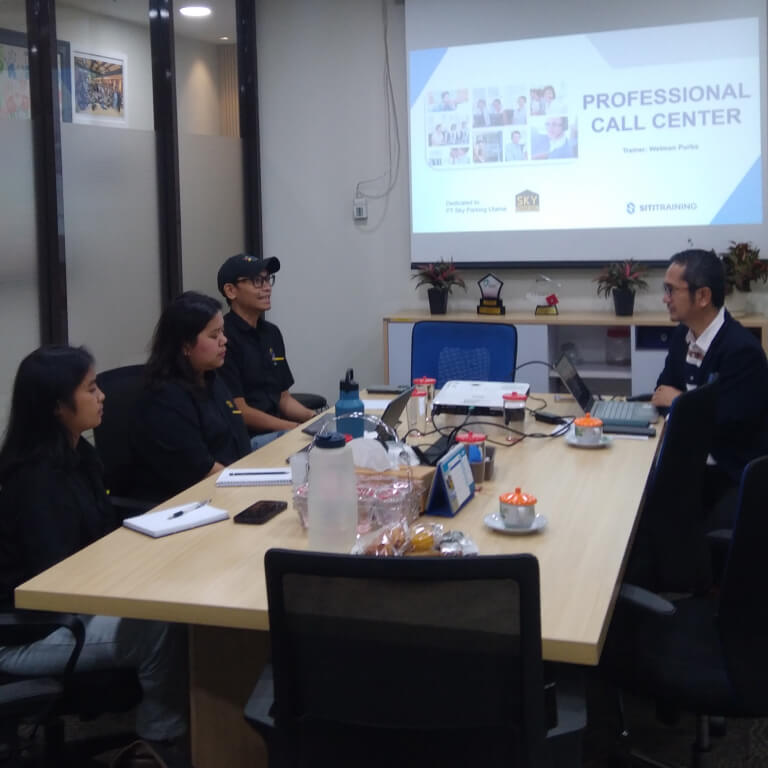
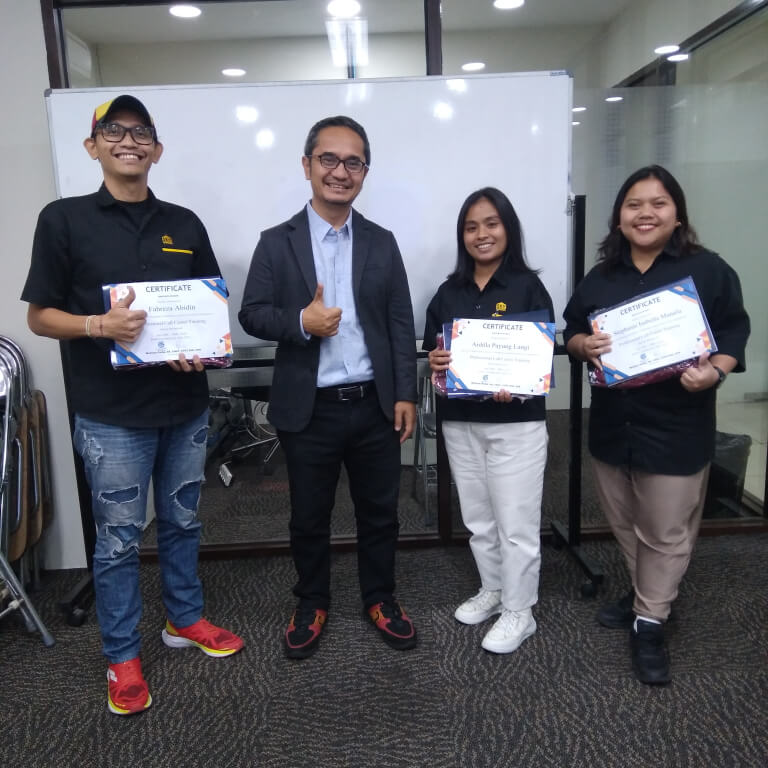
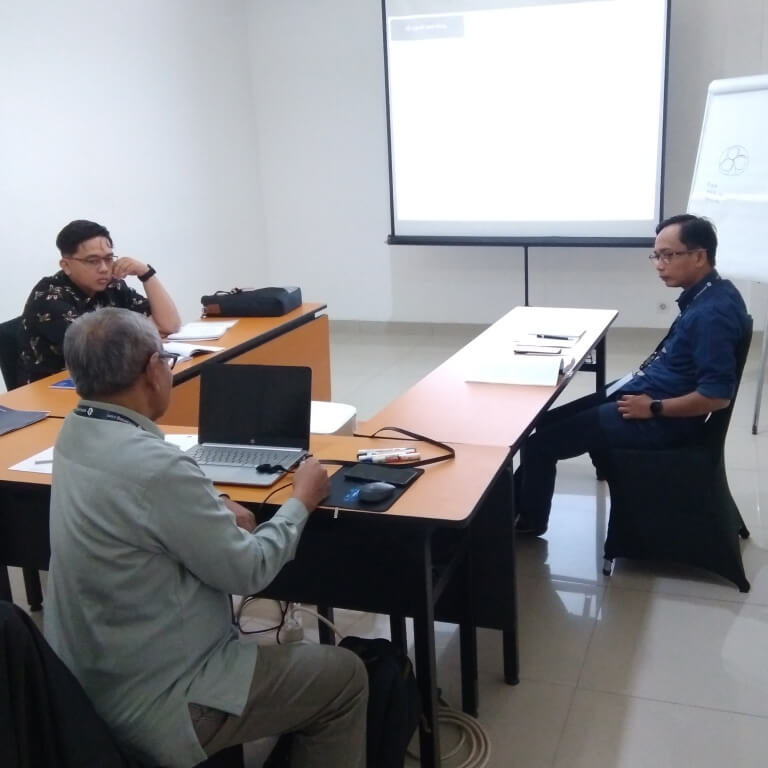
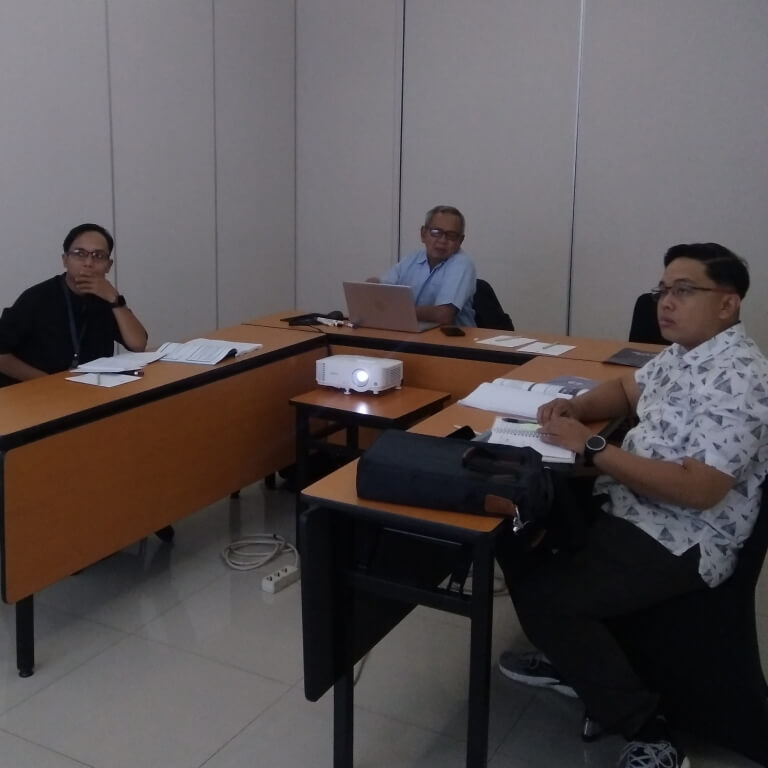
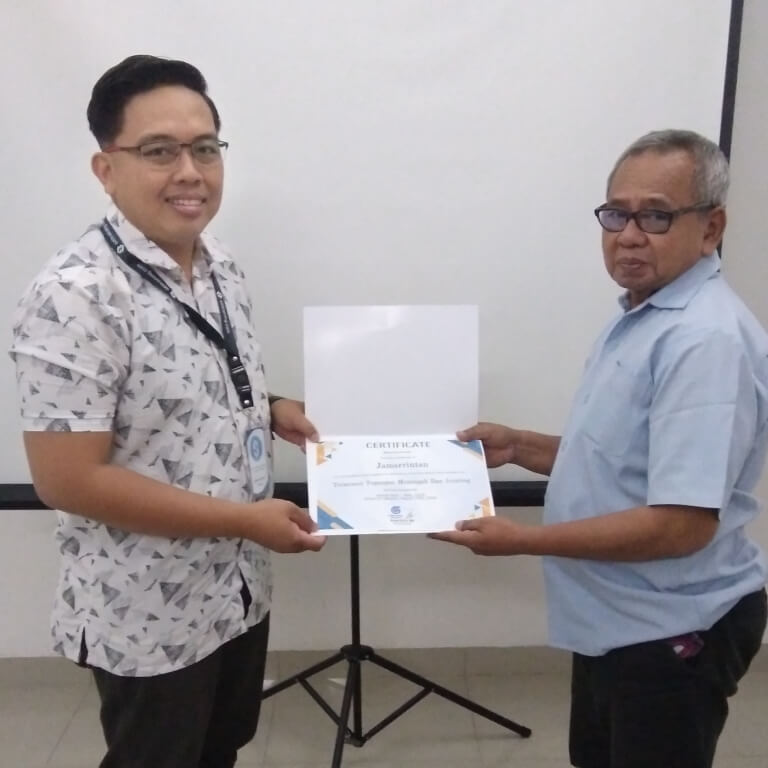
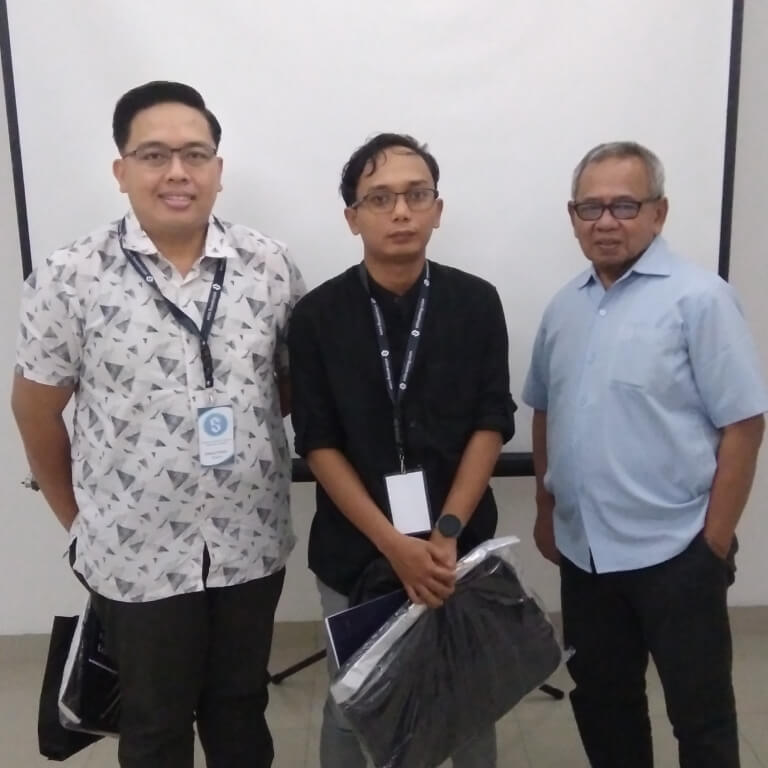
Galeri Dokumentasi Kegiatan Training






 Rifki
 Fitri
 Etika